Why architectural photography alone is no longer enough
Discover why architects should document projects with photography, video, drone imagery and process-led storytelling to better communicate design thinking, expertise and project value.
Architecture deserves better storytelling than final photographs alone.
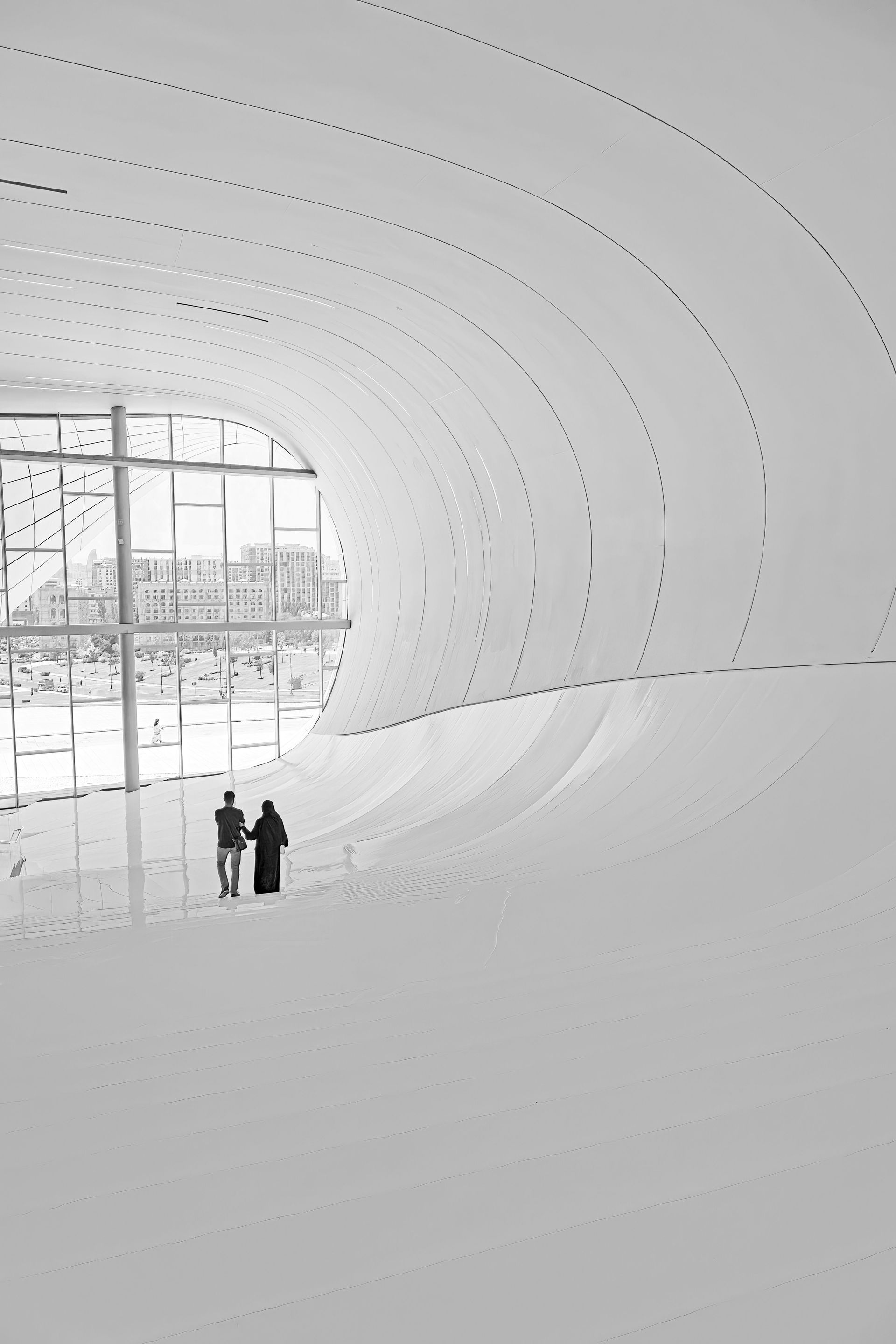
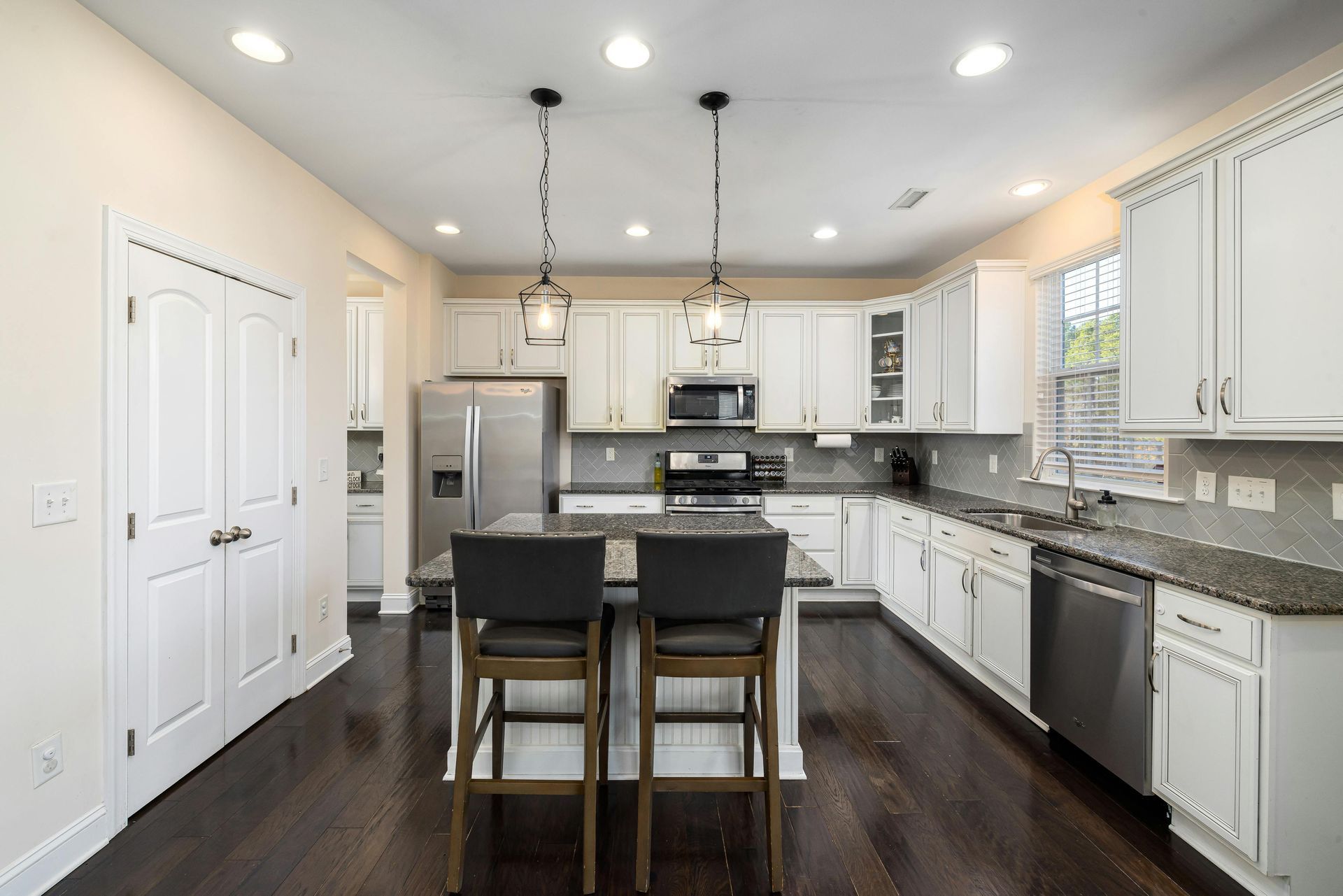
For decades, architectural photography has been the primary way projects have been documented and presented. A carefully composed series of final images remains one of the most powerful tools available to an architect. Yet the industry increasingly faces a challenge: final photographs often tell only a small part of the story.
Architecture is not simply an object. It is a process of investigation, negotiation, problem-solving, collaboration and adaptation. The finished building is important, but it is only the final chapter of a much larger narrative.
Clients, developers, planning authorities and even future collaborators are becoming more interested in understanding how projects come into existence. They want to see the thinking behind the design, the challenges encountered on site and the decisions that shaped the outcome. This is where visual documentation is evolving beyond traditional photography.
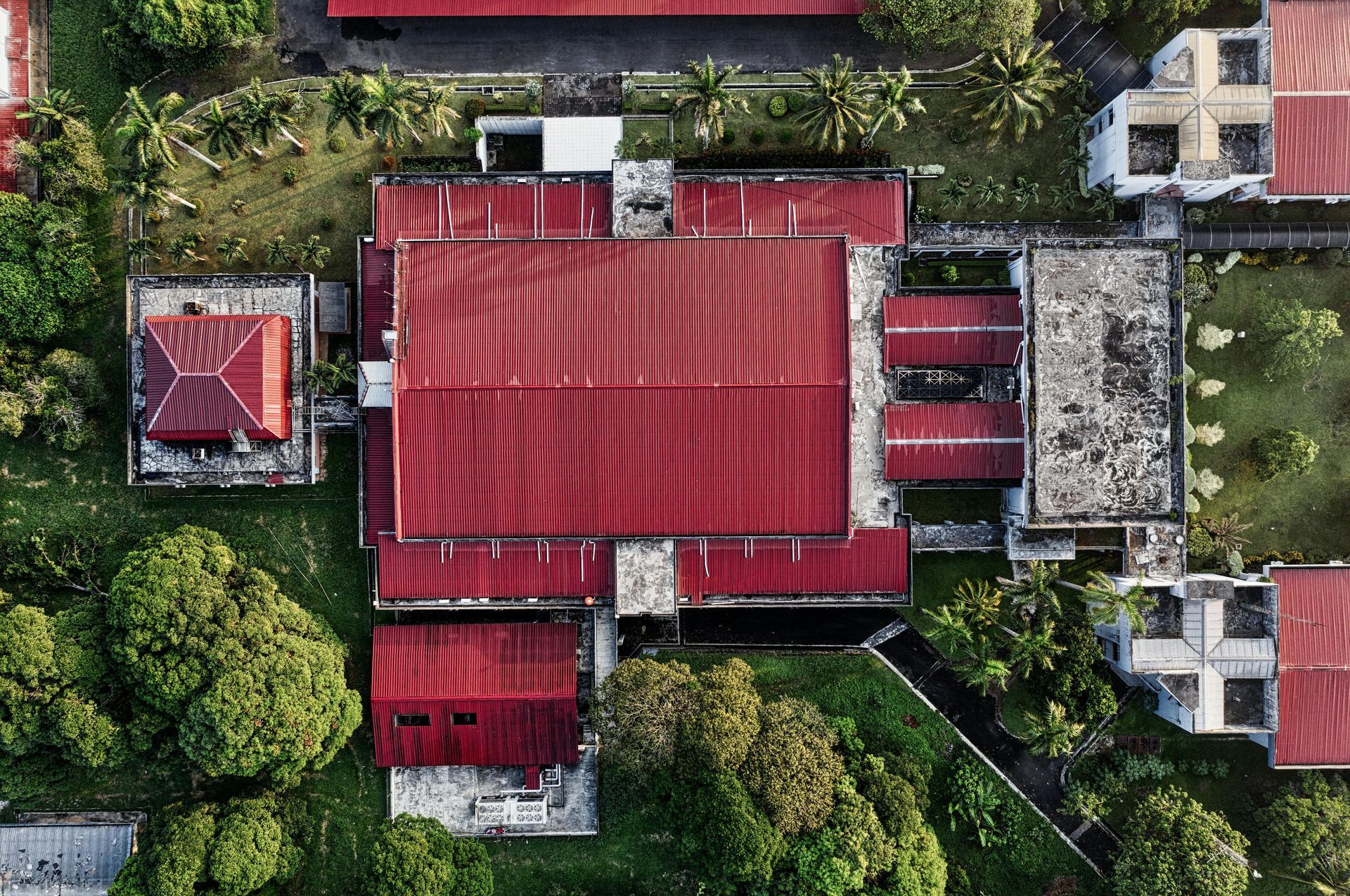
A modern architectural record should begin long before the project is completed. Video documentation, interviews, site visits and aerial imagery can reveal aspects of a project that still photography cannot fully communicate. A drone flight over a site, for example, immediately establishes context, scale and relationship to the surrounding landscape. It helps viewers understand why design decisions were made and how a building sits within its environment.
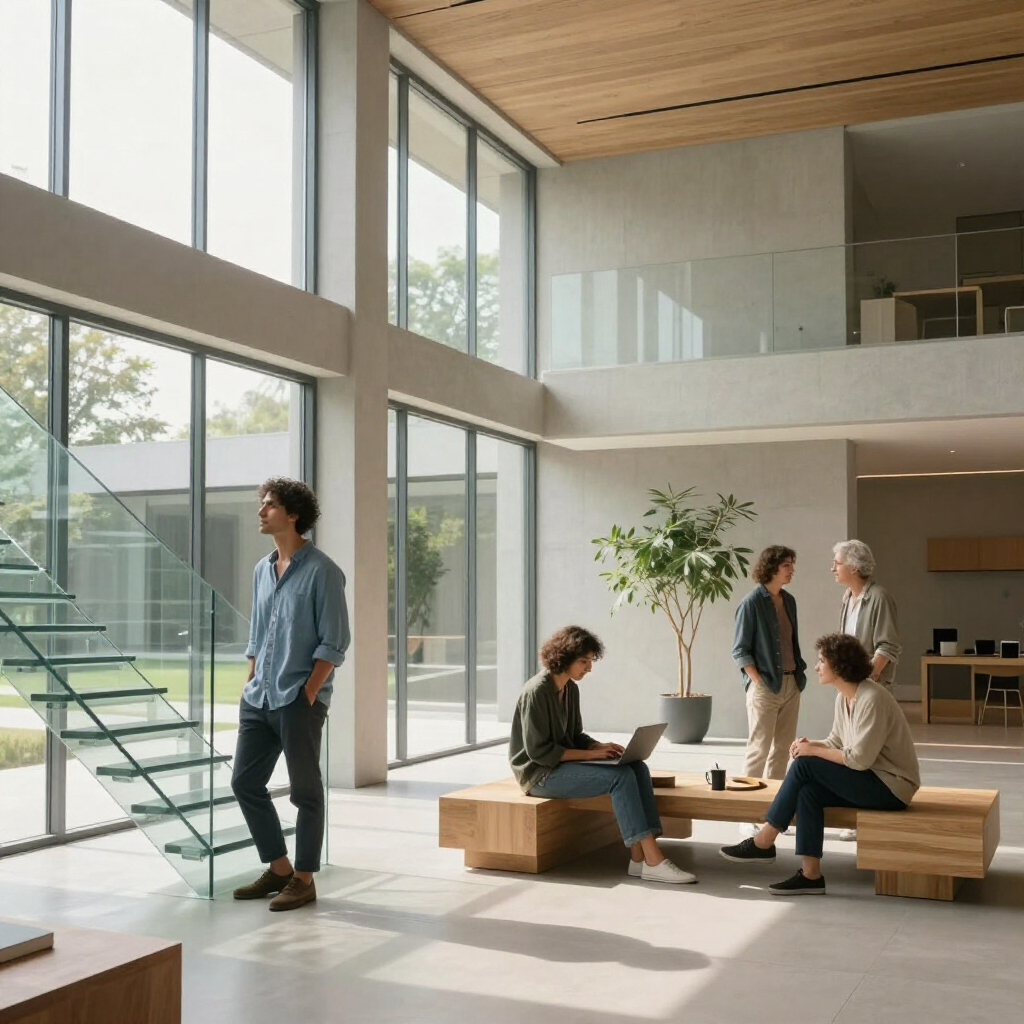
Equally valuable is documenting the architect during the design and construction process. Many practices spend years developing expertise, solving technical challenges and coordinating complex teams, yet very little of this becomes visible once the final photographs are published. Short videos showing design reviews, site inspections, material selections or conversations with contractors can demonstrate the depth of professional knowledge involved in creating successful architecture.
This approach is not about creating promotional content for its own sake.
It is about recording evidence of the design process. When architects document the obstacles they encounter and the solutions they develop, they create a richer and more credible representation of their work. Viewers gain insight into the value the architect brings beyond the finished aesthetic result. Video also introduces an element that photography alone cannot capture effectively: movement. Architecture is experienced through movement. People approach buildings, enter them, navigate spaces and interact with them over time. Carefully produced video allows architects to communicate this experience more naturally, helping viewers understand circulation, atmosphere and spatial relationships.
Perhaps most importantly, documenting projects throughout their development creates a lasting archive. Future clients increasingly research architects online before making contact. They are not simply looking for attractive buildings; they are looking for confidence, expertise and evidence of a firm's capability. A project that is documented from concept through completion communicates far more about a practice than a gallery of finished images alone.
The architectural profession has long understood the value of visual representation. The next step is recognising that representation should extend beyond the final photograph. By combining photography, video, drone documentation and process-led storytelling, architects can create a more complete record of their work, one that reflects not only what they built, but how and why they built it.
The result is a richer narrative, a stronger public presence and a more accurate portrayal of the complexity and value of architectural practice.