The art of arial photography
Creating professional imagery from the air
New Paragraph
The Art of Aerial Photography for Architecture & Real Estate
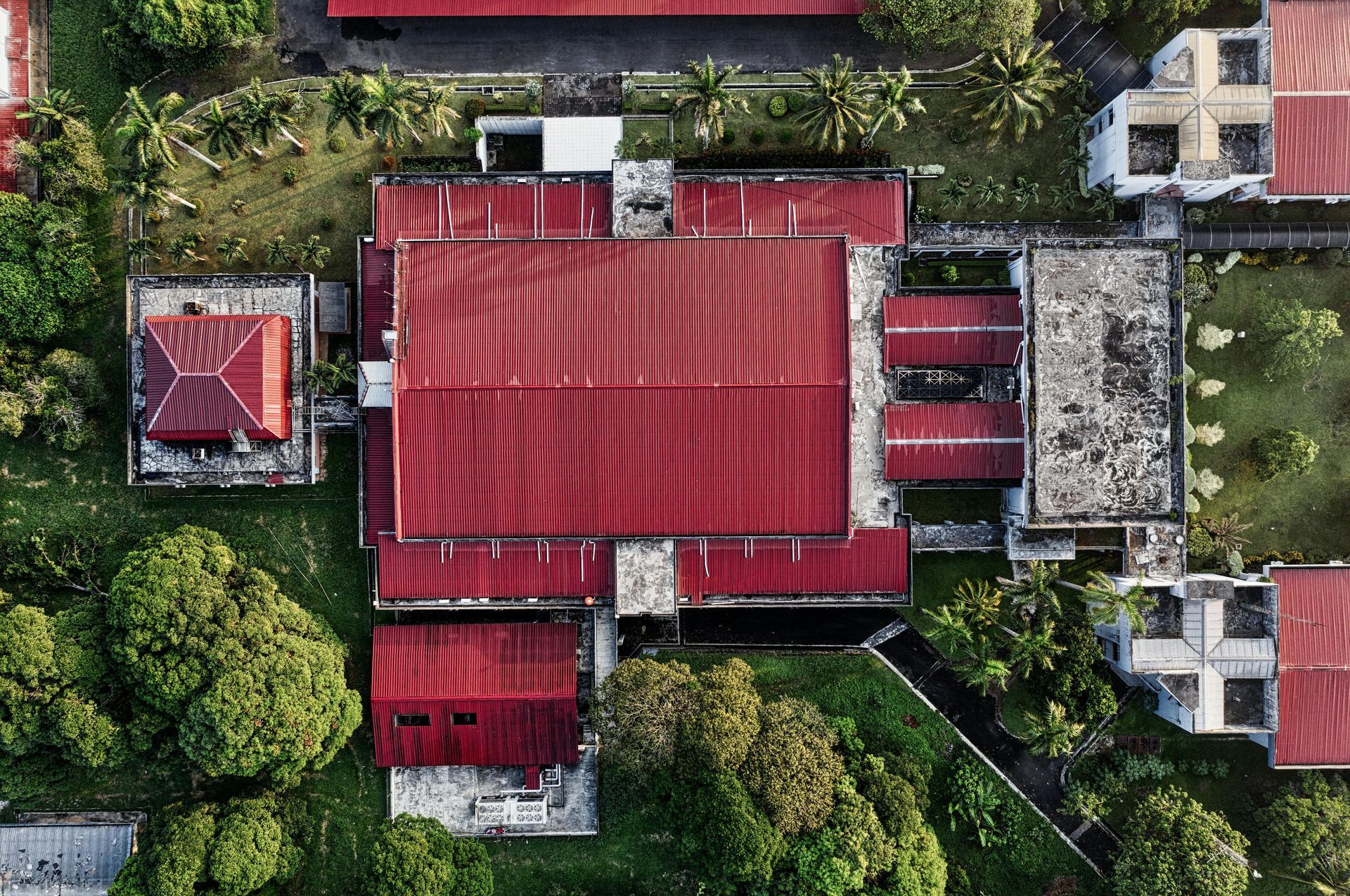
In architecture and real estate, first impressions are often made long before a client visits a space in person. Aerial photography and cinematic drone video offer a perspective that traditional ground photography simply cannot achieve — revealing scale, context, geometry and atmosphere in a single frame.
For architects, aerial imagery helps communicate how a building sits within its environment. The relationship between structure, landscape, light and surrounding space becomes immediately clear. For real estate professionals, it creates a stronger emotional connection and gives potential buyers a better understanding of the property as a whole.
One of the most important elements in aerial photography is timing. Early morning and late afternoon light — often called golden hour — produces softer shadows, warmer tones and greater depth. Midday light can flatten textures and reduce the visual impact of architectural details, while lower-angle sunlight helps reveal form, materials and spatial contrast.
Angle and height also play a major role. Lower drone heights can create a more intimate and cinematic feel, while higher elevations provide context, symmetry and scale. A carefully chosen angle can highlight leading lines, outdoor spaces, landscaping and the flow between interior and exterior architecture.
Good aerial work is not simply about flying high. It is about composition, movement and spatial awareness. Slow, deliberate camera motion creates a sense of calm and sophistication, while thoughtful framing allows viewers to understand how a space functions and feels.
For architecture firms building strong portfolios, professional aerial imagery can elevate presentations, competitions and client proposals. For real estate brands, it helps properties stand out in an increasingly visual market where attention is won in seconds.
The best aerial photography does more than document a building — it tells the story of a space from a perspective people rarely get to experience.