How to achieve the best results with arial imagery for architecture and real estate
Imagery from the air that counts article 2
Beyond the View: Creating Emotion Through Aerial Visual Storytelling
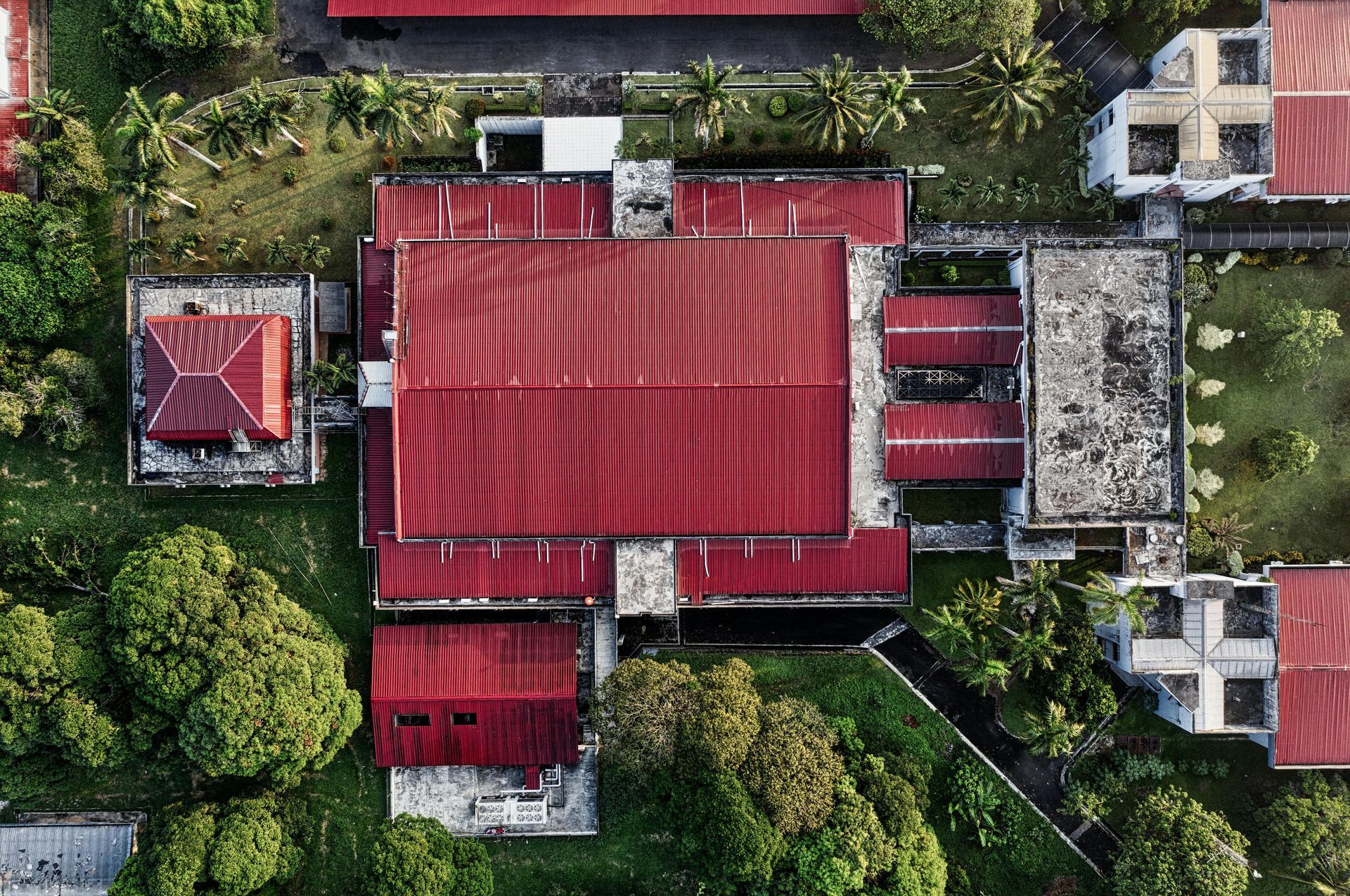
As aerial photography becomes more common in architecture and real estate marketing, the difference between ordinary drone footage and truly effective visual storytelling comes down to intention. The most compelling aerial imagery is not only technically well executed — it creates atmosphere, emotion and a sense of place.
For architectural practices, this means moving beyond simple overview shots. A carefully planned aerial sequence can guide the viewer through a project, revealing how spaces connect, how light interacts with materials and how the building responds to its environment. The goal is not simply to show a structure, but to communicate the experience of it.
Movement is a key part of this process. Slow cinematic motion allows the eye to absorb detail and understand scale naturally. A gentle reveal over landscape, an orbit around a facade or a gradual rise above a property can create a much stronger emotional response than fast, aggressive camera movements.
Environmental conditions also shape the final result. Wind, cloud cover and seasonal light all influence texture, colour and mood. Slightly overcast skies can sometimes enhance architectural imagery by reducing harsh contrast and allowing materials and geometry to stand out more clearly.
Another often overlooked element is spatial rhythm. Alternating between wide aerial perspectives and lower, more focused compositions helps create balance and keeps viewers engaged. This combination allows architects and real estate professionals to present both the broader context and the finer design details within a single visual narrative.
In an increasingly competitive market, strong aerial imagery has become more than an optional extra. It is now part of how architecture firms present their identity and how premium properties establish perceived value online.
When aerial photography is approached thoughtfully, it becomes more than documentation. It becomes a tool for shaping perception, communicating design quality and creating lasting visual impact.